Financial Lessons: Essential Advice for Better Money Management Money management is a skill that requires practice, patience, and real-world experience. Although financial books and courses provide theory, observing outcomes, considering decisions, and adjusting strategies frequently yield the most valuable lessons. Learning these lessons can help you make better financial decisions and avoid costly errors. The Importance of Budgeting
Budgeting is one of the most important and fundamental lessons in personal finance. A clear budget lets you see your income, expenses, and savings, which helps you put your needs ahead of your wants. Overestimating one’s monthly expenses can result in excessive spending. You can make well-informed decisions and plan for both short-term and long-term objectives by tracking your spending on a regular basis. Budgeting is not constrictive; rather, it provides a path toward financial independence. Consistently saving Another fundamental lesson is the value of consistent saving. Every month, putting aside even a small portion of your income, you form a habit that grows over time. Emergency funds are essential, acting as a safety net for unexpected expenses such as medical bills, car repairs, or temporary job loss. Learning to save regularly helps develop financial discipline and reduces stress when unforeseen costs arise.
Getting Rid of High-Interest Debt High-interest debt, particularly from credit cards or payday loans, is one of the most common financial pitfalls. Understanding the impact of interest rates and compounding is crucial. Borrowing for necessary investments, like education or property, can be wise, but unnecessary debt can quickly spiral out of control. One key lesson is to assess whether borrowing is truly needed and to plan repayment strategies before taking on debt.
Investing Early and Wisely
For beginners, investing can be intimidating, but the power of compounding means that getting started early can significantly boost long-term returns. A balanced approach, such as diversification across stocks, bonds, and mutual funds, reduces risk while maximizing growth potential. Learning about investment basics, market behavior, and personal risk tolerance equips you to make informed decisions. Waiting too long to invest can result in missed opportunities for building wealth.
Learning from Mistakes
Financial errors are bound to happen, but the key is to learn from them. Overspending, missing bill payments, or poorly timed investments can serve as lessons for better future choices. Reflection and improvement are possible when financial decisions and outcomes are documented. If mistakes lead to useful insights, they are not failures. Understanding the Value of Money
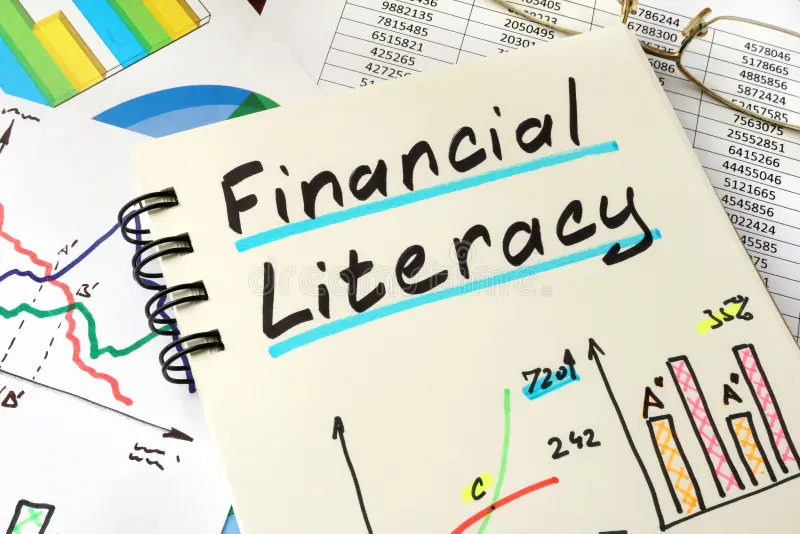
Understanding the value of money is at the heart of many financial lessons. This includes making a distinction between wants and needs, giving spending priority, and critically evaluating opportunities. Financial literacy enables you to make decisions that are more in line with long-term objectives than with immediate whims. This mindset makes it possible to make strategic investments, save more money, and reduce waste. Planning for the Future
Finally, long-term financial planning is a crucial lesson. Planning encompasses strategies for wealth creation, insurance coverage, tax optimization, and preparation for retirement. Thinking ahead ensures that resources are available when needed and protects against financial uncertainty. Plans need to be reviewed and changed on a regular basis to keep up with changing circumstances and life goals. Conclusion
Learning financial lessons takes time. They are the product of consistent effort, reflection, and adaptation. Budgeting, saving, managing debt, investing wisely, and planning for the future form the foundation of strong financial health. People are given the ability to make well-informed choices, achieve financial stability, and create growth opportunities once they understand these lessons. Anyone can build a solid financial foundation and confidently navigate financial matters by applying these insights.
Financial Lessons