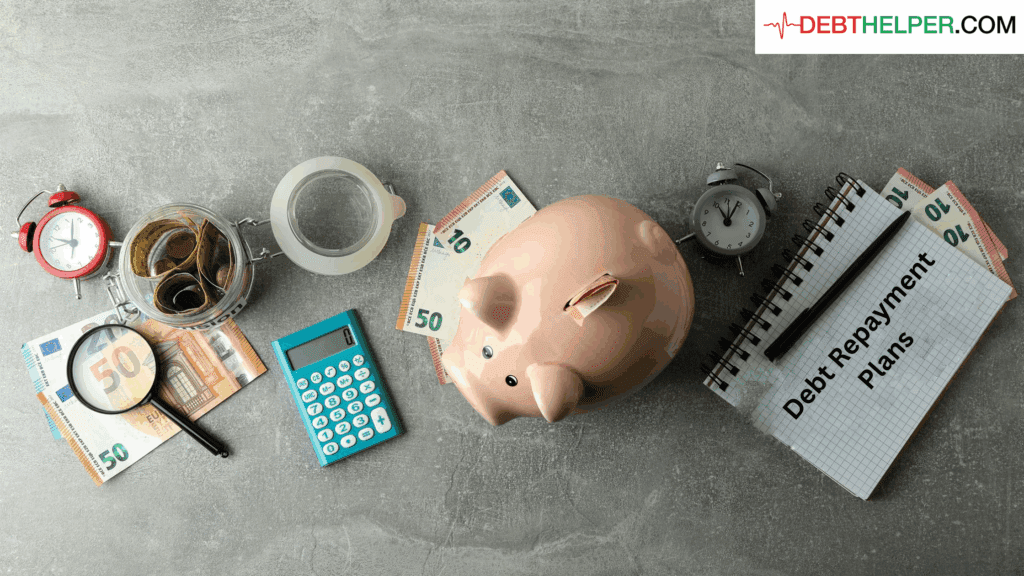
A Practical Guide to Regaining Financial Control: Debt Repayment Plans Debt can slowly transform from a short-term solution into a burden over time. Whether it comes from credit cards, personal loans, or unexpected expenses, unmanaged debt can strain finances and limit future options. A structured debt repayment plan helps restore control by turning uncertainty into a clear, manageable path forward.
A Debt Repayment Plan: What Is It? A planned strategy for gradually paying off outstanding balances is known as a debt repayment plan. You follow a clearly defined plan that prioritizes payments, manages interest costs, and fits within your income, rather than reacting to monthly bills. Not only do you want to pay off your debt, but you also want to do so in a way that keeps you financially stable and is sustainable. First Step: Evaluate Your Total Debt Start by listing all of your debts. Include due dates, minimum payments, interest rates, and balances. This comprehensive overview assists in determining which debts are causing the greatest financial burden and require immediate attention. Because debt is spread across multiple accounts, many people underestimate their total debt. Although this step may be uncomfortable, clarity is necessary. Planning becomes much more effective once the numbers are visible. Choose the Right Repayment Strategy
Two common strategies dominate debt repayment planning: the debt snowball and the debt avalanche.
The snowball method focuses on paying off the smallest balance first while maintaining minimum payments on other debts. By delivering quick wins, this strategy builds momentum. By prioritizing debts with the highest interest rates, the avalanche method reduces overall interest costs over time. While progress may feel slower initially, it is often more cost-effective.
Both approaches work. The best choice depends on personal motivation and financial priorities.
Make a realistic budget for the month. A repayment plan can only work if it takes into account your income. Examine your monthly expenses and determine where you can cut back. Put those savings toward paying off your debt. Progress can be accelerated with even the smallest adjustments, such as cutting back on discretionary spending or negotiating recurring bills. Avoid setting goals that are too lofty. Overly aggressive plans often fail due to burnout. Speed is less important than consistency. Take into account Refinancing and Consolidation. Debt consolidation combines multiple balances into a single payment, often at a lower interest rate. Management can be streamlined and monthly obligations reduced by this. Refinancing high-interest loans may also lower costs, making repayment easier.
However, careful consideration should be given to consolidation. If spending habits are kept under control, lower interest rates won’t help. If this isn’t the case, new debt might take their place. Communicate With Creditors When Needed
Contact creditors promptly if payments become difficult. Many lenders offer hardship programs, payment adjustments, or temporary relief options. Proactive communication often leads to better outcomes than missed payments.
Before relying on any agreements, document them in writing and confirm any revised terms. Track Progress and Adjust When Necessary
Repayment plans remain effective when progress is monitored. Celebrate milestones, even the smallest ones, and check balances every month. Alter the plan rather than abandoning it in the event of changes in income or expenditures. Flexibility alleviates stress and contributes to long-term success. Put safeguards in place for the future. While repaying debt, it is important to prevent new financial setbacks. Repayments and the creation of a small emergency fund can reduce reliance on credit in the event of unforeseen circumstances. Over time, this habit strengthens financial resilience.
Last Thoughts During difficult financial times, debt repayment plans provide structure, clarity, and direction. By understanding your debt, selecting the right strategy, budgeting realistically, and staying adaptable, repayment becomes manageable rather than overwhelming.
A well-thought-out plan does more than just get rid of balances; it also makes room for future objectives, boosts financial discipline, and restores confidence. Debt can transform from a source of stress into a chapter that is successfully closed with patience and consistency.
Debt Repayment Plans