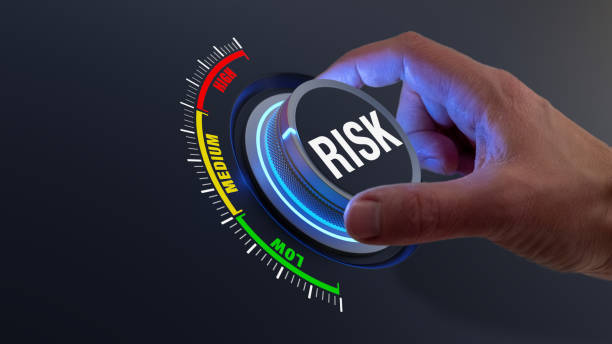
Risk Management: Protecting Your Financial Future with Smart Planning
Every financial decision involves risk. Uncertainty is always present whether you are saving, investing, borrowing, or planning for long-term objectives. Risk management is the process of identifying potential financial threats and taking steps to reduce their impact. While it does not completely eliminate risk, it does assist you in remaining prepared and in control. Building financial stability and confidence over the long term necessitates an understanding of and ability to manage risk. Recognizing Financial Dangers Understanding the risks you face is the first step in risk management. Common financial risks include income loss, unexpected medical expenses, market volatility, inflation, debt burdens, and major life events. Each of these can disrupt financial plans if not anticipated.
Risk to oneself varies from person to person. A salaried employee may face different risks than a business owner or freelancer. Taking a look at your expenses, debts, dependents, and income stability helps you see where protection is most needed. Establishing a robust emergency fund An emergency fund is one of the most effective risk management tools. It acts as a financial buffer during job loss, medical emergencies, or unexpected repairs. A good emergency fund should be able to cover essential expenses for three to six months. Keeping this fund in a liquid and low-risk account ensures quick access without market exposure. While it may not generate high returns, its value lies in stability and availability during uncertain times.
Managing Investment Risk
Investing is necessary for long-term growth, but it involves market risk. Managing investment risk begins with understanding your risk tolerance and time horizon. Long-term objectives permit volatility, whereas short-term objectives necessitate safer instruments. One important strategy is diversification. Diversifying investments across asset classes, sectors, and regions lessens the need to rely on a single source. Regular portfolio reviews help ensure alignment with changing goals and market conditions.
Emotional decision-making is equally important during market fluctuations. Disciplined action is frequently more successful than reacting to short-term trends. Taking Coverage Through Insurance When it comes to managing financial risk, insurance plays a crucial role. Health insurance, life insurance, disability coverage, and property insurance protect against large, unexpected expenses that could otherwise derail financial plans.
Rather than opting for the lowest premium, selecting the appropriate coverage necessitates assessing actual requirements. Underinsurance can be as harmful as no insurance at all. Policies should be reviewed on a regular basis to make sure they remain relevant in light of shifting life circumstances. Managing Debt Risk Debt becomes risky when it is unmanaged or excessive. Debt with high interest rates can make cash flow difficult and limit one’s financial flexibility. Understanding repayment obligations, interest rates, and loan terms is necessary for debt management. Financial stress is reduced by prioritizing the repayment of high-interest debt and avoiding unnecessary borrowing. Resilience increases during income disruptions and economic downturns when a debt-to-income ratio is maintained in a healthy range. Planning for Long-Term Risks and Inflation Because inflation gradually reduces purchasing power, it is frequently overlooked as a long-term risk. Incorporating growth-oriented investments and reviewing income sources helps counter its effects.
Long-term risks also include retirement planning and healthcare costs. Early preparation through systematic savings, pension planning, and investment strategies lessens financial stress and dependence in later life. Regular Review and Adjustment
Risk management is not a one-time task. Changes in life, income, and the market all necessitate regular reevaluation. Reviewing financial plans annually or after major events helps identify new risks and update strategies accordingly.
Risk management’s long-term success is ensured by staying informed and adaptable. Conclusion
Risk management is about preparation, balance, and informed decision-making. It improves financial stability by reducing uncertainty and offering protection from unforeseen obstacles. People can confidently navigate financial risks through emergency planning, diversification, insurance coverage, debt management, and regular reviews. Risk is wisely managed in a well-managed financial plan, not avoided.
Risk Management